
What Is an Invoice and Why Does It Matter (Beyond Just ‘A Bill’)
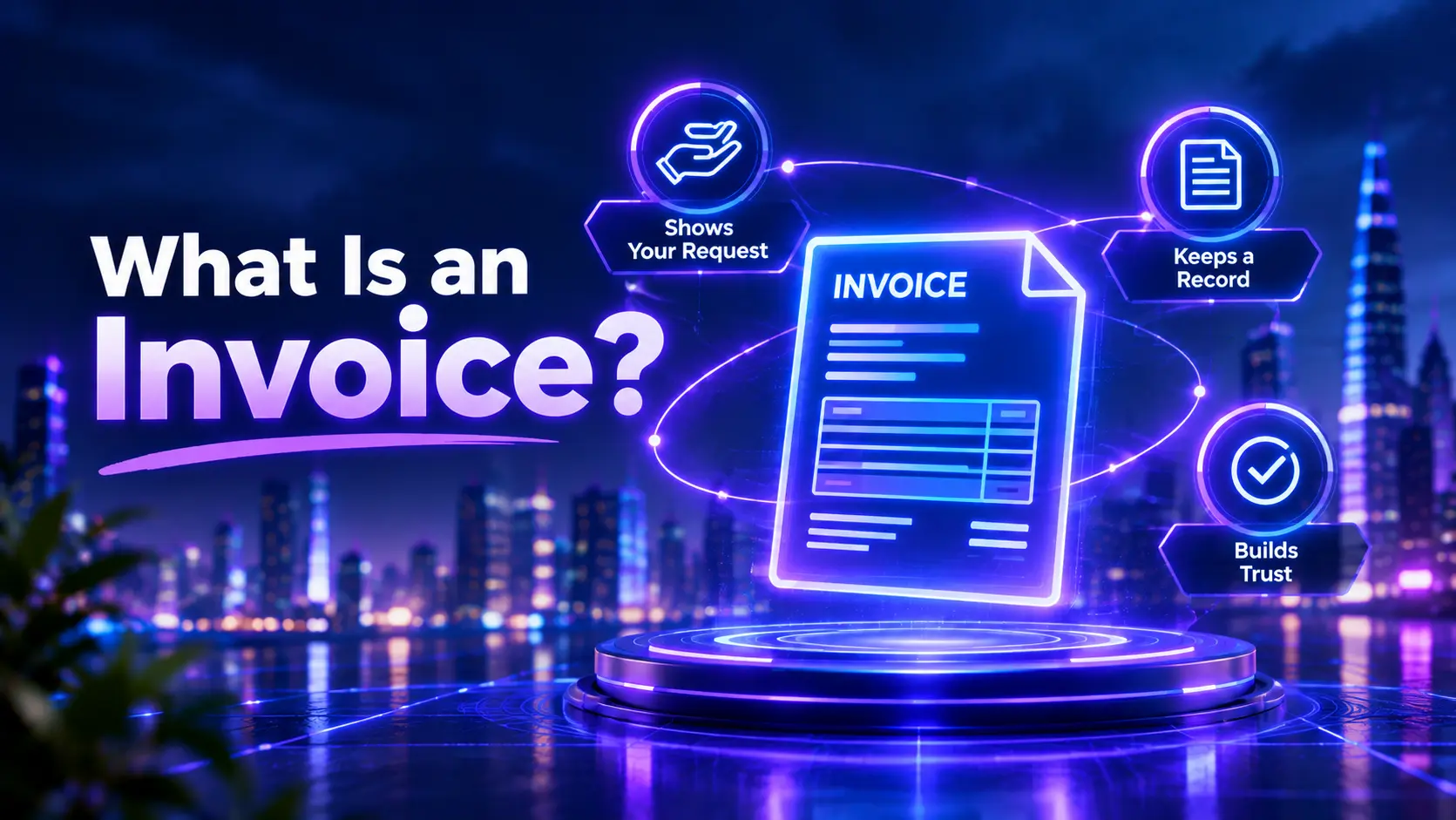
What is an invoice, in plain terms? It’s a formal payment request, sent by a seller to a buyer, that lists exactly what was delivered and what’s owed. That sounds simple, but treating an invoice as ‘just a bill’ misses why it actually matters: it’s the document that protects you if a client disputes what they owe, delays payment, or a tax authority ever asks what happened in a transaction.
The Purpose of an Invoice, Beyond Just Asking for Money
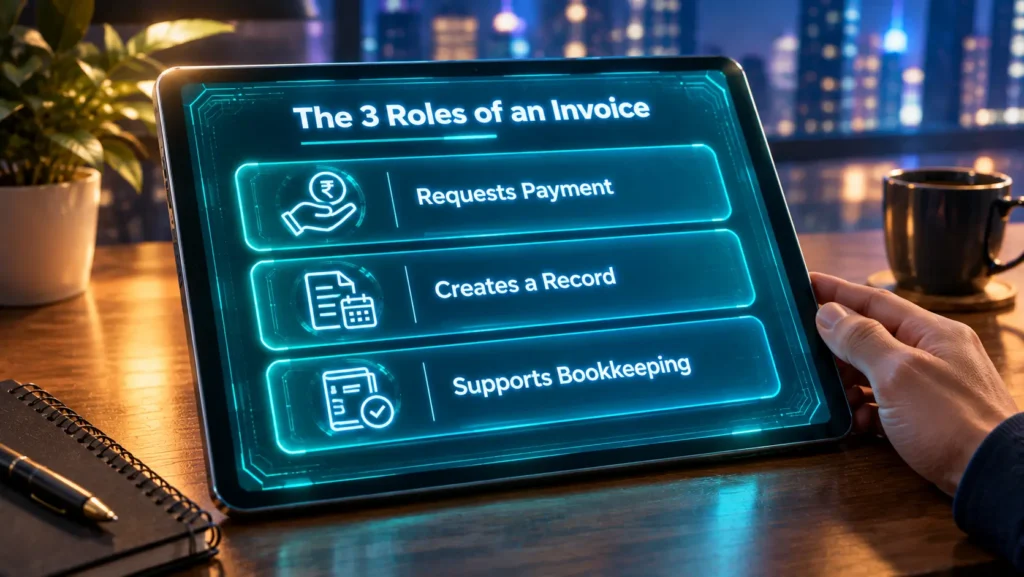
An invoice does three jobs at once, and most people only think about the first one:
- It requests payment – the obvious part, stating what’s owed and by when.
- It creates a record – a dated, itemized account of what was actually agreed and delivered, which matters enormously if there’s ever a disagreement later.
- It supports your bookkeeping and tax filings – invoices are the paper trail that ties your income to your actual business activity, which is exactly what you need during an income tax assessment or, if you’re GST-registered, to support your filed returns.
Without an invoice, a payment that arrives in your bank account is just an unexplained deposit. With one, it’s clearly tied to specific, agreed-upon work.
Why Invoices Matter More Than They Seem To?
The real value of an invoice shows up when something goes wrong, not when everything goes smoothly. If a client claims they never agreed to pay a certain amount, a properly issued invoice – referencing the work, the price, and the date – is your evidence. If your income is ever questioned during a tax assessment, invoices (along with the underlying records) are what demonstrate your income is legitimate and accounted for.
There’s also a simpler, everyday reason invoices matter: they set a clear expectation. An invoice with a specific due date gets paid faster than an informal ‘please pay me when you can’ message, simply because it reads as official and expected, not optional.
Where the Word ‘Invoice’ Actually Comes From
Here’s a small detail worth knowing: ‘invoice’ traces back to the Middle French word ‘envois’, the plural of ‘envoi’, meaning ‘something sent’. It’s related to the French verb ‘envoyer’ – ‘to send’. The English word has been in documented use since around the mid-1500s, originally referring to a list of goods being sent to a buyer. That original meaning – a record of what’s being sent, and to whom – is still exactly what an invoice does today, five centuries later.
How Many ‘Types’ of Invoices Are There? It Depends Which Classification You Mean
This trips people up because ‘types of invoices’ gets used two different ways:
- By direction: from the seller’s side, it’s a sales invoice; from the buyer’s side, the same document is called a purchase invoice. Same document, different label depending on who’s looking at it.
- By stage and legal weight: a proforma invoice (a preview sent before the deal is final), a tax invoice (the binding demand for payment after delivery), and sometimes a receipt is loosely grouped in as a third, even though it technically confirms payment rather than requesting it.
If you’ve seen ‘two types’ in one place and ‘three types’ in another, this is why – they’re answering slightly different questions. For the full breakdown of tax invoices, proforma invoices, and receipts, see our dedicated comparison.
What Actually Needs to Be on an Invoice
At minimum, a usable invoice includes: a unique invoice number, the date, your business details, the client’s details, an itemized description of the work or goods, the total amount, and clear payment terms. If you’re GST-registered, several additional fields become mandatory – invoice format compliance is detailed enough to deserve its own guide.
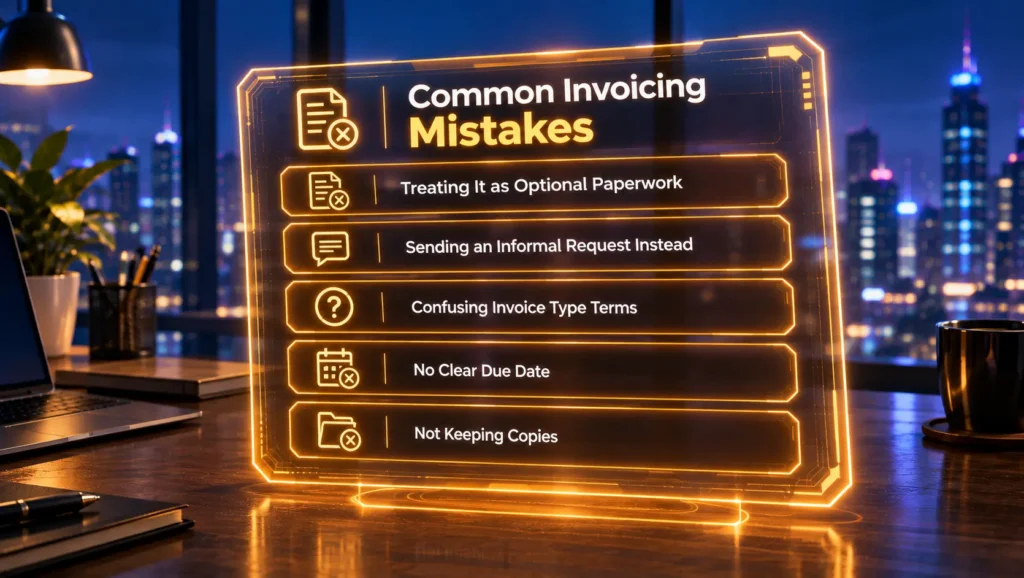
Common Mistakes
- Treating an invoice as optional paperwork rather than the actual evidence of what was agreed
- Sending something informal (a text message, a verbal total) instead of a proper invoice, then having nothing to point to if a dispute arises
- Confusing ‘types of invoices’ classifications and using the wrong term with a client or accountant
- Leaving out a clear due date, which makes an invoice easy to deprioritize
- Not keeping copies, so there’s no record to fall back on later
Frequently Asked Questions (FAQ)
What is an invoice in simple words?
A formal, itemized request for payment sent by a seller to a buyer, showing exactly what was delivered and what’s owed.
What is the purpose of an invoice?
To request payment, create a dated record of the transaction, and support accurate bookkeeping and tax filing – not just to state an amount owed.
What’s the difference between an invoice and a receipt?
An invoice requests payment before or at delivery; a receipt confirms payment has already been received. For the full comparison including proforma invoices, see our detailed guide.
How do I create an invoice?
At minimum, include an invoice number, date, your and the client’s details, an itemized description, the total amount, and payment terms. If you’re GST-registered, additional mandatory fields apply – see our complete guide to GST-compliant invoices.
What’s another word for invoice?
Bill and tax invoice are the most common alternatives, though the exact term that applies can depend on whether GST registration is involved.
Final Takeaway
An invoice isn’t just a polite way to ask for money – it’s the document that protects both sides of a transaction if anything is ever disputed, and it’s the paper trail your bookkeeping and tax filings depend on. Treating it as a formality rather than a serious record is one of the most common, and most avoidable, mistakes small businesses make.
This article explains general invoicing concepts and isn’t personal financial or legal advice. For your specific situation, a chartered accountant can confirm what applies to you.
Sources & References
- Oxford English Dictionary – etymology of “invoice” – https://www.oed.com/dictionary/invoice_n
- Central Board of Indirect Taxes and Customs (CBIC) – mandatory invoice fields under GST – https://www.cbic.gov.in/
Pingback: When To Register For GST
Pingback: Invoice Vs Receipt Vs Proforma Invoice: What's The Real Difference?